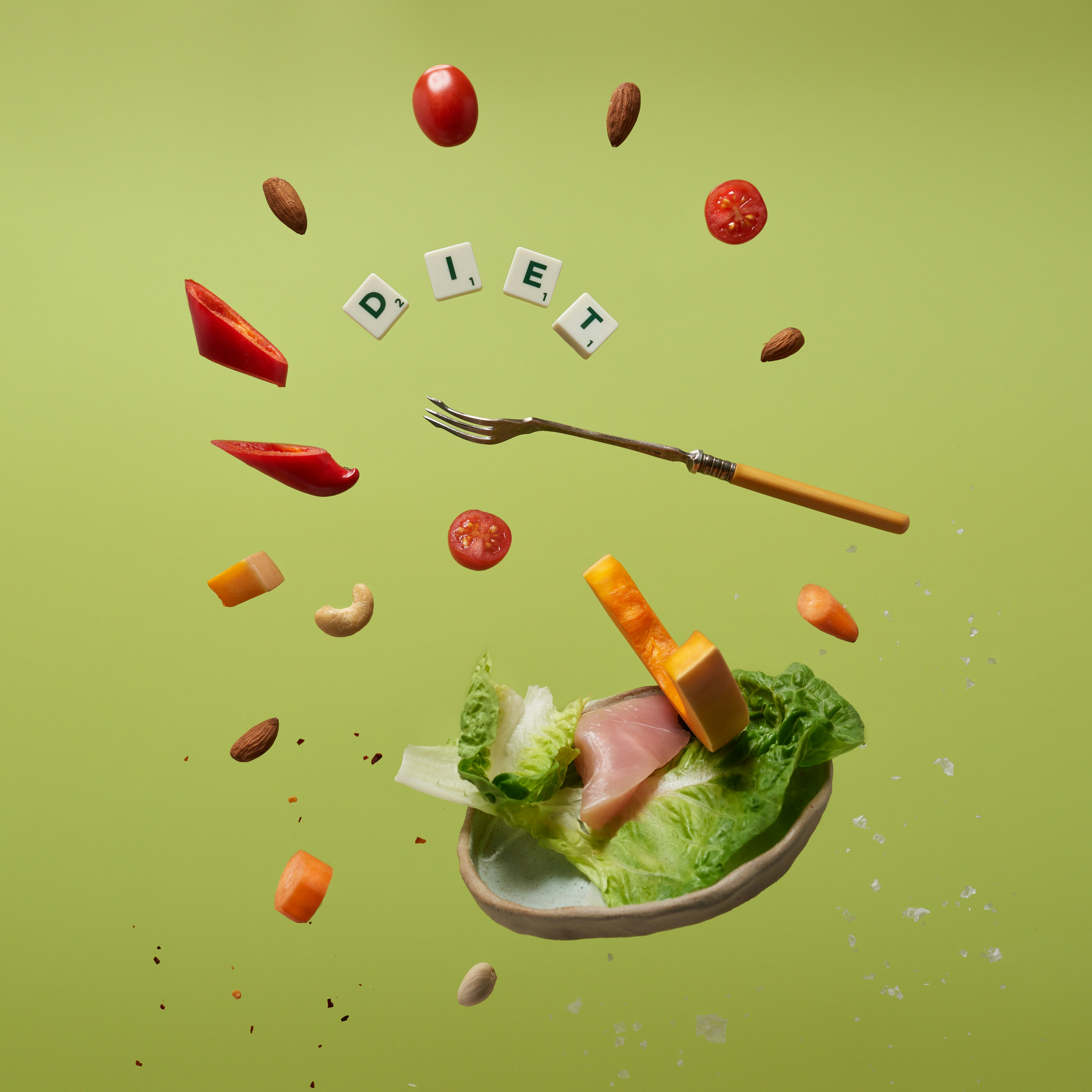
Understanding Weight Loss
Weight loss is a fundamental concept concerning the reduction of body mass, which is often pursued for health benefits and aesthetic goals. For many women, achieving a healthy weight is not merely a matter of appearance; it is intricately linked to overall well-being, confidence, and the prevention of various health conditions such as diabetes, cardiovascular diseases, and certain types of cancer.
The science of weight loss primarily revolves around the principle of calorie deficit. This occurs when an individual consumes fewer calories than their body expends through daily activities and metabolic functions. The calories burned depend on an individual’s basal metabolic rate (BMR), which is influenced by factors such as age, genetics, and lean muscle mass. Essentially, metabolism plays a crucial role in determining how efficiently the body can convert food into energy. As women age, metabolic rates can slow down, making weight loss more challenging. Additionally, hormonal fluctuations can impact body composition and fat distribution, further complicating the weight loss journey.
It is also essential to note that weight loss is not a uniform experience; each person’s journey is unique. Genetics can play a significant role in how individuals store fat, respond to diet, and exercise. Lifestyle choices—such as dietary habits, physical activity levels, and stress management—are equally influential and can lead to varying results. Understanding these individual factors is vital for effectively devising a weight loss plan that not only aligns with personal goals but is also sustainable and healthy in the long run.
In summary, weight loss entails complex biological processes and personal choices that differ among women. Therefore, it is critical to approach weight loss with a comprehensive understanding of these elements, setting realistic goals that facilitate lasting change and a healthier lifestyle.
Setting Realistic Weight Loss Goals
Establishing realistic weight loss goals is a fundamental aspect of any effective diet plan for women. It is crucial to frame these goals using the SMART criteria, which stands for Specific, Measurable, Achievable, Relevant, and Time-bound. A specific goal sets a clear target, such as losing 10 pounds in three months, rather than a vague aim of merely ‘losing weight’. This clarity helps in maintaining focus throughout the weight loss journey.
Measurable goals enable you to track your progress effectively. By defining your target in quantifiable terms, such as ‘losing 2 pounds per week’, you can monitor how well you are moving towards your overall goal. This measure not only provides motivation but also helps make informed adjustments to your diet plan if necessary.
Achievability is another vital criterion. It is essential to ensure that your weight loss goals are realistic based on your lifestyle, age, and health status. Setting overly ambitious targets can lead to frustration and disappointment, which may derail your commitment. Instead, focus on incremental changes that are more likely to be sustainable in the long run.
Relevance pertains to aligning your goals with your personal values and health needs. For instance, if your objective is to improve your overall well-being rather than simply achieving a particular number on the scale, you will be more driven to stick with your plan. Lastly, your goals should be time-bound, meaning that you set a deadline for achieving them. This could be a monthly or quarterly check-in to ensure you stay on track.
Additionally, tracking your progress is essential for maintaining motivation and accountability. Consider using a journal to log your food intake, exercise routines, and emotional state, or leverage modern technology with health apps that provide features to monitor your weight loss journey. These methods allow you to reflect on your experiences and make thoughtful adjustments to your approach as needed.
Creating a Personalized Diet Plan
Developing a personalized diet plan is a crucial step toward achieving weight loss goals effectively. Every individual has unique dietary preferences, habits, and nutritional requirements, which should be considered when crafting a diet. To start, it is important to assess your current dietary habits. This can be achieved by maintaining a food diary for a week, documenting everything consumed, including portion sizes. This practice not only highlights where adjustments may be necessary but also sheds light on patterns in eating behavior.
Understanding your nutritional requirements is another important aspect. Factors such as age, activity level, and health status play a significant role in determining your body’s caloric and nutritional needs. For instance, younger women typically require more calories than older women due to higher metabolic rates. Similarly, those who are more physically active need increased energy intake to support their energy expenditure. Therefore, calculating your Basal Metabolic Rate (BMR) and Total Daily Energy Expenditure (TDEE) can offer insights into how many calories you should aim for each day.
Incorporating a variety of nutrient-dense foods into your diet is essential for balancing macronutrients—carbohydrates, proteins, and fats. Aim to include ample fruits, vegetables, whole grains, lean proteins, and healthy fats in your meal plan. This combination not only supports optimal health but also promotes satiety, making it easier to adhere to your diet plan. Furthermore, consider any specific dietary restrictions or preferences you might have, such as vegetarianism or allergies, to ensure the plan is both enjoyable and sustainable.
Ultimately, a personalized diet plan should reflect your lifestyle and preferences while meeting your nutritional needs. Regularly reviewing and adjusting the plan as necessary is also crucial as your goals or circumstances may change. By following these guidelines, you can create an effective diet plan tailored specifically for you.
Essential Nutrients for Women’s Health
When embarking on a weight loss journey, understanding the essential nutrients that are pivotal for women’s health is crucial. A well-balanced diet should prioritize protein, fiber, healthy fats, vitamins, and minerals, each playing a significant role in not only achieving weight loss goals but also maintaining overall well-being.
Protein is a vital nutrient that supports muscle growth and repair, particularly important as women age and face sarcopenia, the loss of muscle mass. Incorporating adequate protein sources, such as lean meats, fish, eggs, dairy products, legumes, and nuts, can enhance satiety, leading to reduced calorie intake without the feeling of deprivation. Additionally, protein contributes to the preservation of lean body mass during weight loss, ensuring that the body burns fat rather than muscle tissue.
Fiber is another essential nutrient that aids in digestion and helps regulate blood sugar levels. Foods rich in fiber, such as fruits, vegetables, whole grains, and legumes, can promote feelings of fullness, thereby assisting women in reducing their overall caloric intake. Furthermore, fiber supports gut health, which has been linked to weight management and a lower risk of chronic diseases.
Healthy fats should not be forgotten in a weight loss diet; they play a key role in hormone regulation and nutrient absorption. Sources like avocados, olive oil, nuts, and seeds provide heart-healthy fats that can curb cravings and improve the overall flavor of meals, making it easier to adhere to a healthy eating plan.
Vitamins and minerals, including calcium, iron, and magnesium, are fundamental to maintaining energy levels and supporting metabolic functions. Women, in particular, should ensure they are meeting their daily requirements for these micronutrients, as deficiencies can impede weight loss efforts and negatively affect health. Incorporating a colorful variety of fruits and vegetables can help meet these essential nutrient needs while also providing antioxidants that support overall wellness.
Sample Diet Plans for Various Weight Loss Goals
When embarking on a weight loss journey, having a structured diet plan that aligns with individual goals can significantly enhance one’s chances of success. Below, we present sample diet plans tailored for three distinct weight loss objectives: quick weight loss, sustainable long-term eating, and maintaining weight loss.
Quick Weight Loss Plan: This plan is designed for individuals looking to achieve rapid results. The focus is on calorie deficit while ensuring nutritional needs are met. For breakfast, consider a smoothie made with spinach, a small banana, and unsweetened almond milk. Lunch could consist of a salad with mixed greens, grilled chicken breast, cherry tomatoes, and a vinaigrette. A typical dinner might include a fillet of steamed fish, accompanied by broccoli and quinoa. Snacks could include carrot sticks or an apple. Portion sizes should be monitored closely, and caloric intake should generally stay within the range of 1200-1500 calories per day.
Sustainable Long-Term Eating Plan: For those aiming for gradual weight loss, this approach emphasizes balanced nutrition. Breakfast may feature oatmeal topped with fresh berries and a sprinkle of nuts. A hearty lunch could be whole-grain wrap with turkey, lettuce, avocado, and sliced cucumbers. Dinner can vary, with options like baked chicken, sweet potato, and a side of green beans. Snacks might include Greek yogurt or a handful of almonds. This plan typically allows for 1500-1800 calories daily, promoting steady weight loss without deprivation.
Weight Maintenance Plan: Once a desired weight is achieved, maintaining that weight involves stabilizing calorie intake and ensuring a well-rounded diet. A breakfast option might be scrambled eggs with spinach and whole-grain toast, while lunch could be a quinoa salad with varied vegetables and a protein source such as chickpeas. Dinner may consist of grilled tofu or chicken alongside brown rice and mixed vegetables. Regular snacks can include a piece of fruit or a small protein bar. Aim for a daily intake of 1800-2200 calories, adjusting based on activity levels.
Each of these sample diet plans serves a unique purpose and can be adjusted according to individual preferences and dietary requirements. Integrating a mix of macronutrients into each meal is essential to support nutritional needs, alongside hydration and physical activity to optimize weight loss and maintenance strategies.
Incorporating Exercise into Your Diet Plan
The integration of exercise into a weight loss diet plan is essential for promoting overall health and achieving lasting results. Exercise not only helps in burning calories but also enhances metabolism, strengthens muscles, and improves mental well-being. To maximize the benefits, it is crucial to incorporate various forms of exercise, including cardiovascular workouts, strength training, and flexibility exercises.
Cardiovascular workouts, or cardio, are often considered fundamental for any weight loss regimen. Activities such as running, cycling, swimming, or even brisk walking elevate the heart rate and enhance calorie expenditure. Engaging in at least 150 minutes of moderate-intensity cardio each week can significantly boost weight loss efforts. Consider opting for activities you enjoy, as this increases the likelihood of consistency and commitment to your exercise routine.
Complementing cardio with strength training is vital for building lean muscle mass, which in turn increases resting metabolic rate. Resistance exercises, such as weight lifting, body-weight exercises, or using resistance bands, should ideally be practiced at least twice a week. Focusing on major muscle groups not only helps tone the body but also fosters improved strength and functionality.
Additionally, incorporating flexibility workouts, such as yoga or pilates, can enhance overall physical performance and recovery. These exercises promote better posture, increase range of motion, and help reduce the risk of injury. Dedicated time for stretching is crucial, especially after intense workouts, as it assists in muscle recovery and alleviates soreness.
To stay active throughout the week, set realistic exercise goals and track your progress. Finding opportunities to be active in daily life, such as taking the stairs instead of the elevator or going for walks during breaks, can effectively increase physical activity levels. It is essential to establish a balanced workout routine that aligns with personal preferences and lifestyle, ensuring sustainability on the weight loss journey.
Overcoming Common Weight Loss Challenges
Weight loss for women often involves navigating a landscape filled with various challenges, which can hinder progress toward their goals. One prevalent obstacle is cravings, which can stem from hormonal fluctuations, emotional triggers, or simply the habit of indulging in certain foods. To effectively manage cravings, women can implement strategies such as maintaining regular meal times, prioritizing nutrient-dense foods, and allowing for occasional treats in moderation. Staying hydrated and incorporating fiber-rich foods can also help curb appetite and reduce the intensity of cravings.
Another significant hurdle many women face is emotional eating. This behavior can arise from stress, anxiety, or boredom and often leads to consuming food as a source of comfort rather than nutrition. To combat emotional eating, it is vital to establish alternative coping mechanisms. Activities like journaling, meditation, or engaging in hobbies can provide solace without resorting to food. Additionally, practicing mindfulness while eating can help increase awareness of emotional triggers and promote healthier choices.
Finally, plateaus are a common challenge that can be discouraging during a weight loss journey. It is essential to recognize that reaching a plateau is a normal part of the process. At this stage, reconsidering one’s diet and exercise routine may prove beneficial. Introducing new workouts, varying meal plans, or adjusting portion sizes can stimulate further progress. Moreover, tracking progress beyond the scale, such as improvements in energy levels or fitness, can serve as motivation. Maintaining motivation throughout the journey is critical; support groups or partnering with a friend for accountability can foster long-term success. By addressing these common obstacles with practical strategies, women can remain focused and continue moving toward their weight loss objectives.
The Role of Hydration in Weight Loss
Hydration is a critical component of any effective weight loss strategy. Adequate water intake can significantly influence metabolism, appetite regulation, and overall health. When the body is well-hydrated, metabolic processes function optimally, enabling more efficient calorie burning. Studies have shown that even mild dehydration can slow down metabolic rates, leading to less effective weight loss efforts.
Moreover, water plays an essential role in appetite control. Research indicates that drinking water before meals can reduce hunger levels, leading to lower calorie intake during the meal. The sensation of thirst is sometimes mistaken for hunger, which may prompt unnecessary snacking or eating. By staying hydrated, individuals can better distinguish between true hunger and thirst, making it easier to adhere to a structured eating plan and ultimately support weight loss goals.
In addition to its effects on metabolism and hunger, proper hydration is vital for overall health. It aids in digestion, maintains skin integrity, and supports vital bodily functions. For those engaged in weight loss regimens, hydration also helps to reduce feelings of fatigue during physical activity, leading to increased exercise performance. This can be particularly beneficial for women seeking to balance weight loss with fitness routines.
To boost water consumption throughout the day, women can adopt several practical strategies. Carrying a reusable water bottle can serve as a constant reminder and make it convenient to sip throughout the day. Setting reminders on their phones or using hydration-tracking apps can also encourage regular water intake. Additionally, incorporating water-rich foods such as fruits and vegetables into diets can be an enjoyable way to increase overall fluid intake.
Maintaining proper hydration is not just a supportive factor but an integral part of successful weight loss. By recognizing its importance, women can pave the way toward achieving their weight loss objectives effectively.
Monitoring Your Progress and Making Adjustments
To successfully navigate your weight loss journey, it is essential to monitor your progress effectively and make adjustments to your diet plan as needed. The process of tracking your food intake is a fundamental step in understanding your eating habits and ensuring that you remain within your caloric goals. Utilizing food diaries, mobile applications, or online journals can help you document your meals and snacks accurately. Regularly logging your food can not only provide insight into your nutritional intake but also help you identify patterns that may need to be addressed.
As you progress with your weight loss plan, evaluating its effectiveness is crucial. It is advisable to periodically assess your weight, body measurements, and even take progress photos to visualize your transformation. These tracking methods can help you determine whether your current diet is yielding the desired results. If, after several weeks of adherence to your meal plan, you find that your weight loss has plateaued or is not progressing as expected, consider re-evaluating your caloric intake and exercise routines. Small adjustments, such as tweaking portion sizes or incorporating a variety of nutrient-dense foods, can often reinvigorate your weight loss efforts.
Moreover, it is important to remain flexible and open to change. Weight loss can be a non-linear journey, and various factors – including hormonal fluctuations, stress levels, and metabolic adaptations – can impact your progress. If you are struggling to see results or feel unsure about making significant adjustments on your own, it may be beneficial to seek professional guidance. A registered dietitian or a licensed nutritionist can provide personalized strategies and support to align your weight loss diet with your specific goals and lifestyle requirements.